CDU’s Family Medicine Residency Program’s founding pillars are built on the ideals of healthcare disparity reform and human equity within a complex socio-medical environment, and in turn, our medical residents become the backbone of these healthcare endeavors.
Beginning with a month-long rotation in social medicine understanding the unique needs of our community, CDU residents discover how to advocate for healthcare change, learn about the driving forces behind local health issues, empower communal wellness, and come to see first-hand a mission based on compassion, scientific inquiry, advocacy, and service.
At CDU, character is the universal model. Being a Drew resident means you have not only been chosen for excellence in the classroom and in the field, but you have demonstrated ethical integrity and a tendency towards human empathy. Selection into the Family Medicine Program is based on the notion that a population’s health is as dependent on a physician’s intrinsic character as it is on the ability to clinically diagnose, and Drew graduates are held to the highest standards of both. At Drew, we believe the vitality of community springs from providers who can expertly clinically diagnose a spectrum of conditions within any patient population. We also believe communities thrive when practitioners see justness in healthcare equality and advocate for the dismantling of medicine’s disparities.
Our Approach
We emphasize strength- and asset-based approaches to provide comprehensive, holistic care across the life cycle that focus on:
- Training family medicine physicians and scientists from diverse, underrepresented communities and medical backgrounds.
- Promoting meaningful access to healthcare by bringing healthcare to hard-to-reach and marginalized populations through street medicine, mobile outreach, and other modalities.
- Demonstrating leadership in collaborative partnerships with public and private sector stakeholders, as well as by building effective relationships with patients and the community at large, mitigating mistrust, and advocating for better overall community health and development of public policy based on health equity and social justice.
- Conducting relevant primary care community-partnered participatory research to advance the health of all communities.
- Training health professionals in evidence-based interpersonal communication skills (such as motivational interviewing, promotion of therapeutic lifestyle change, and guided reflective practice) to minimize implicit bias and provide a safe space for patients.
- Ensuring our trainees are skilled in providing culturally appropriate, racially tailored, linguistically responsive, compassionate care that promotes structural equity, cultural humility, addresses social determinants of health, structural racism, systemic bias, and empowers patients to be shared decision-makers in their own healthcare.
Rotation Curriculum
PGY-1
- Community and Behavior Health
- Adult Inpatient
- FMP
- Family Medicine Inpatient
- Maternity Care
- MICU
- MSK-Ortho
- Pediatric Inpatient
- Pediatric Outpatient
- Newborn
- Cardiac Care Unit
- Vacation
PGY-2
- Urgent Care
- Adult Inpatient
- Community Health
- Emergency Medicine
- Surgical Selective
- FMP
- Maternity Care
- Family Medicine Inpatient
- Electives
- Behavioral Health
- MSK-Ortho
- Women’s Health
- Vacation
PGY-3
- Family Medicine Inpatient
- Medicine Elective
- Geriatrics
- Outpatient Pediatrics
- Behavior Health
- Health Systems Management
- Emergency Medicine
- MSK-Ortho
- Dermatology
- Surgical Elective
- Community Health
- FMP
- Elective
- Population Health
- Vacation
Clinical Sites
- Primary site: MLK Jr Outpatient Center, a state-of-the-art, multi-specialty ambulatory care center
- Tibor Rubin VA Medical Center, Long Beach (Geriatrics)
- Rancho Los Amigos National Rehabilitation Center (Inpatient ICU and Neurology)
- California Hospital Medical Center (Labor and Delivery)
- Harbor-UCLA Medical Center (Emergency and Cardiology)
Financial Support: Salaries, Stipends, and Allowances
- PGY 1-3: $79,866 per year
- PGY 4 (Supervisor): $85,806
- Educational bonus: $2,000 at end of PGY-1 if offered contract for PGY-2
- Primary care bonus: 2% of salary after first and second years
- Housing allowance: $10,000 per year
- Meal allowance: Up to $500 per month
- Vacation: Four weeks per year in two-week blocks plus 12 paid holidays if on outpatient rotation
- Sick leave: Up to eight calendar days accrued per year
- Health and other insurance: Covered separate from salary; includes spouse and dependents
- Reimbursement of some education-related fees by program (PTL, memberships, BLS/ACLS, etc.)
Application Information
- ERAS Application
- Medical/Osteopathic school transcript
- Dean’s letter
- Personal statement
- Curriculum vitae
- Three letters of recommendation: At least one from a faculty licensed in family medicine, who can comment directly on your clinical performance in the field. Letters from individual faculty members are preferred.
- USLME Step 1 and Step 2 Transcript (or COMLEX Level I & II)
- ECFMG certification (if applicable)
Deadline: October 30
Applications are accepted through the Electronic Residency Application Service (ERAS). Interviews are conducted from October through February.
Message from the Program Chair
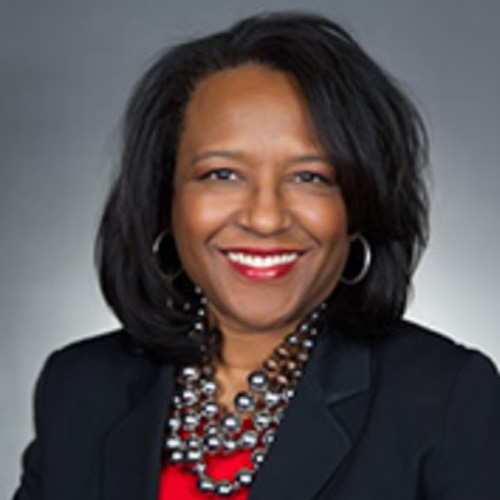
Welcome to the Department of Family Medicine at Charles Drew University! Our department is comprised of a remarkable and diverse group of faculty and staff dedicated to a wide variety of teaching, research, primary care, and direct service programs in the South Los Angeles area.
As a Black and Hispanic-serving health sciences institution, we lead in Family Medicine by advancing health equity and social justice in under-resourced communities. Our efforts address the social determinants of health to ensure comprehensive care. Our vision is for all families and communities to achieve optimal health and well-being. Explore our site to learn more about our goals and programs. Join us on our mission!
Lisa Barkley, MD, FAAFP, FSAHM, FACSM
Professor and Chair, Department of Family Medicine
Quicklinks