AXIS Center Full Research Projects
CDU’s RCMI U54 AXIS Center supports three full research projects focused on addressing health disparities affecting communities in South Los Angeles and Los Angeles County Service Planning Area 6. These projects span basic science, behavioral science, and clinical trial research, with a shared focus on improving health outcomes for communities disproportionately affected by disease.

Novel MCT4 Inhibitor Research for Triple-Negative Breast Cancer and Acute Myeloid Leukemia
Latino Family Relationships, HIV Prevention, and Mental Health Outcomes

Green Tea and Quercetin with Docetaxel for Advanced Prostate Cancer
Principal Investigator
Qiongyu Hao, PhD
Assistant Professor, Department of Internal Medicine, College of Medicine
QiongyuHao@cdrewu.edu
Key Focus Areas:
Triple-negative breast cancer
Acute myeloid leukemia
MCT4 lactate transporter inhibition
Chemotherapy resistance
Cancer health disparities
Abstract
Triple-negative breast cancer (TNBC) and acute myeloid leukemia (AML) remain difficult to treat, with many patients experiencing poor outcomes, recurrence, chemotherapy resistance, and limited targeted treatment options. These challenges are especially urgent because both diseases disproportionately affect medically underserved populations, including Black, African American, and Hispanic patients.
This research project focuses on monocarboxylate transporter 4 (MCT4), a lactate transporter associated with cancer progression, chemotherapy resistance, and poor prognosis in TNBC and AML. Because MCT4 is overexpressed in both diseases, it may serve as an important therapeutic target for developing more effective and personalized cancer treatments.
Current MCT4 inhibitors have shown limited efficacy and specificity, creating a need for more potent and selective therapeutic approaches. Dr. Qiongyu Hao’s research team has developed a small molecule MCT4 inhibitor, CB-2, that has demonstrated anticancer activity in preclinical studies and may improve chemotherapy sensitivity. However, CB-2’s instability presents a challenge for future clinical use.
To address this, the project will evaluate an improved MCT4 inhibitor, CB-2O2, designed to offer stronger anticancer activity, greater stability, and improved chemotherapy sensitization. Preliminary studies suggest that CB-2O2 has enhanced stability and anticancer effects in TNBC and AML cells.
Through this work, the research team aims to determine whether CB-2O2 and newly designed backup analogs can more effectively inhibit TNBC and AML cell growth while increasing sensitivity to chemotherapy. The findings may support the development of more targeted cancer therapies and contribute to efforts to reduce health disparities in breast cancer and leukemia outcomes.
Principal Investigator
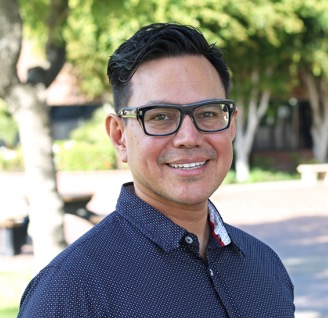
Homero E. del Pino, PhD, MS
Professor, Department of Psychiatry, College of Medicine
homerodelpino@cdrewu.edu
Key Focus Areas:
Latino gay men’s health
HIV prevention and PrEP
Family support and family stress
Mental health outcomes
Health disparities
Abstract
Latino communities represent a significant and growing share of the U.S. population, yet Latino gay men continue to experience disproportionate impacts related to HIV prevention, HIV treatment, mental health, and access to care. While pre-exposure prophylaxis (PrEP) is a highly effective biomedical HIV prevention strategy, access to and use of PrEP remains inconsistent among Latino gay men. For Latino gay men living with HIV, viral suppression can also remain difficult to achieve.
This research project examines how family relationships, emotional support, and family stress influence long-term health outcomes among Latino gay men. The study focuses on key areas including mental health, HIV-related behaviors, substance use, condomless sex, HIV treatment outcomes, and viral load.
Using data from mSTUDY, a NIDA-funded cohort study of men in Los Angeles, the research team will evaluate how family support and family stress affect mental health, risk behaviors, and HIV-related health outcomes over time. The study will also analyze longitudinal data from a cohort of Latino men assessed every six months over a five-year period.
The project aims to determine whether greater family emotional support is associated with fewer depressive symptoms, lower HIV-related risk behaviors, and improved treatment outcomes. It will also assess whether family support can help reduce the negative effects of family stress on mental and physical health.
In addition, the research team will conduct interviews with Latino gay men and focus groups with families in Los Angeles, New York, and Miami. These conversations will help identify culturally specific strategies for integrating families into HIV prevention and treatment efforts.
By better understanding the role of family relationships in HIV prevention, HIV care, and mental health, this project may help inform family-based interventions that improve health behaviors, strengthen support systems, and reduce health disparities among Latino gay men.
Principal Investigator
Piwen Wang, PhD
Associate Professor, Department of Internal Medicine, College of Medicine
PiwenWang@cdrewu.edu
Learn more about Dr. Wang
ClinicalTrials.gov Information
Key Focus Areas:
Metastatic castration-resistant prostate cancer
Docetaxel chemotherapy
Green tea and quercetin
Chemotherapy resistance
African American prostate cancer disparities
Abstract
This clinical trial studies whether green tea and quercetin can safely enhance the effectiveness of docetaxel chemotherapy for African American patients with metastatic castration-resistant prostate cancer (mCRPC). The long-term goal is to develop a more effective, low-toxicity treatment strategy that improves prostate cancer outcomes and helps reduce cancer health disparities.
African American men experience a significantly higher risk of advanced prostate cancer, including mCRPC, and continue to face higher prostate cancer mortality rates. Although docetaxel is a standard treatment for mCRPC, its effectiveness can be limited by chemotherapy resistance and severe dose-limiting toxicities. These challenges highlight the need for new therapeutic approaches that can improve treatment response while minimizing additional toxicity.
Dr. Piwen Wang’s research focuses on the potential of green tea and quercetin, two natural products, to increase tumor sensitivity to docetaxel. Previous laboratory studies found that quercetin can enhance the anticancer effects of green tea in prostate tumor cells by improving the bioavailability of green tea polyphenols, increasing pro-apoptotic signaling, and reducing MRP1 expression, a transport protein associated with drug resistance.
Preclinical studies also showed that combining green tea, quercetin, and docetaxel produced stronger anti-proliferative effects in castration-resistant prostate cancer cell lines. In animal studies, green tea and quercetin enhanced the potency of docetaxel in reducing prostate tumor growth without increasing toxicity.
The objective of this Phase I/II trial is to evaluate the safety and efficacy of green tea and quercetin in combination with docetaxel and prednisone for African American patients with enzalutamide- or abiraterone-resistant mCRPC. The study will determine the recommended Phase II dose and compare treatment outcomes between patients receiving green tea and quercetin with docetaxel/prednisone and those receiving docetaxel/prednisone alone.
The project will also use prostate cancer mouse models to further evaluate whether green tea and quercetin can help reverse resistance to docetaxel. Findings from this study may support future Phase III clinical trials and contribute to the development of more effective treatment options for African American men with advanced prostate cancer.
Questions? Contact Us.
