Healthcare Students Share Observations From Educational Trip to Cuba
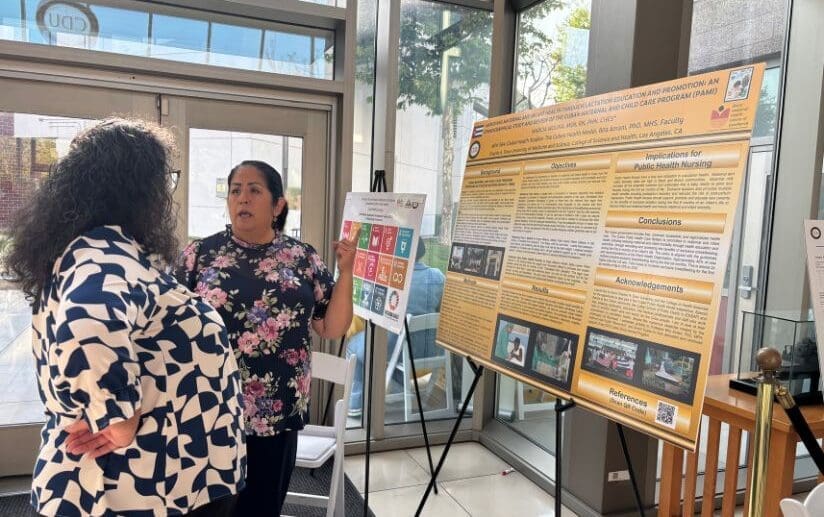
Charles R. Drew University of Medicine and Science (CDU) students recently returned from an educational trip to Havana, Cuba, where they studied the country’s healthcare system—recognized globally for its emphasis on community-based care, disease prevention, and universal access.
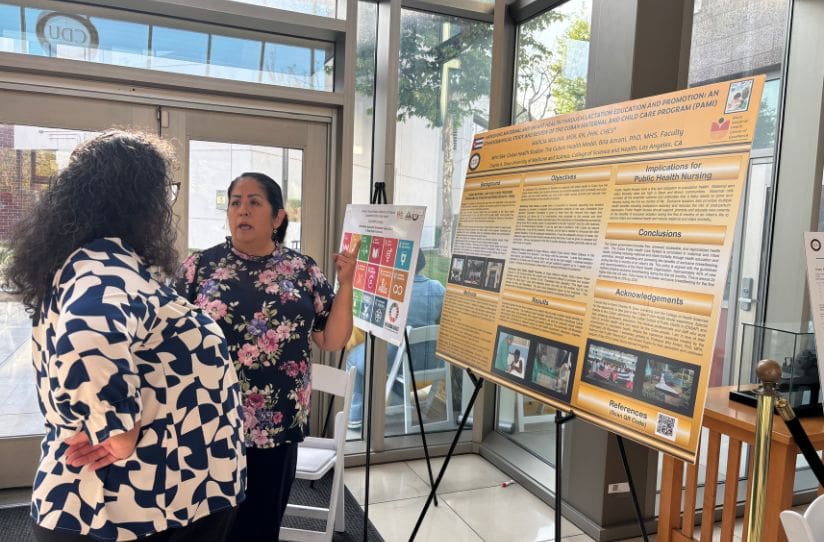
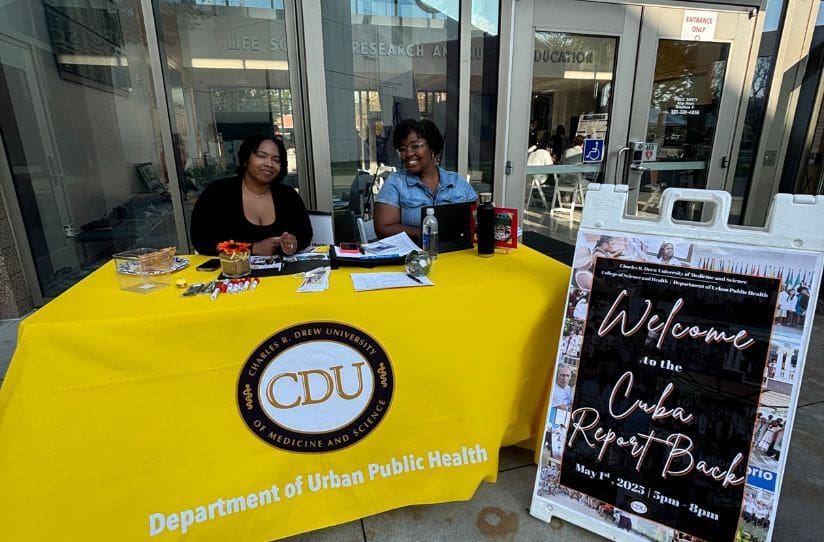
Participants from the Master of Public Health (MPH), Nursing, and Biomedical Science programs shared their reflections during the on-campus Cuba Health Exchange Report Back event, offering insights into the strengths and challenges of Cuba’s model—and how it contrasts with the U.S. healthcare system.
While in Cuba, students visited consultorios, community clinics staffed by a primary care provider, nurse, and medical assistant, responsible for care within specific geographic areas. These clinics serve as the foundation of Cuba’s health system, emphasizing prevention and continuity of care. Students observed services related to primary care, family planning, and maternal health.
A key highlight was the visit to hogares maternos—residential facilities for pregnant women facing medical, social, or geographic risk factors. These homes play a critical role in reducing maternal and infant mortality by providing supportive prenatal care, particularly for women in remote or underserved communities.
Students reported positive health outcomes in the country, including high contraceptive use, low maternal mortality, and strong prenatal care systems. However, they also noted the impact of external challenges such as economic sanctions, which have led to occasional shortages in contraceptives and other medical supplies.
Tiffany Tan, a Master of Public Health student who had never traveled outside of Los Angeles County before this trip, spoke about how the experience broadened her understanding of healthcare systems.
“The more time we spent in Cuba, the more I realized there are many positive aspects of their health system that we could learn from in the U.S. One thing that stood out was their universal healthcare, which allows anyone who needs help to receive it,” said Tan.
“At the same time, we saw the realities of everyday life, like rolling blackouts that could last two to six hours or longer. But people adapt. Even when consultorios had no electricity, appointments continued, and physicians still made house calls. That level of dedication was really inspiring.”
Cuba’s integrated, prevention-first model has achieved global recognition for controlling infectious diseases, advancing maternal and child health, and building a culture of internationalism through medical outreach abroad.
The Cuba Health Exchange reflects CDU’s commitment to the “Global-International Experience” pillar of the CDU Advantage, equipping future health leaders with the perspective and skills to drive change. It advances the university’s mission to prepare a diverse, equity-focused workforce to meet public health challenges locally and globally.