Dr. Cavallero Awarded NIH Grant to Study the Cardiometabolic Benefits of Exercise
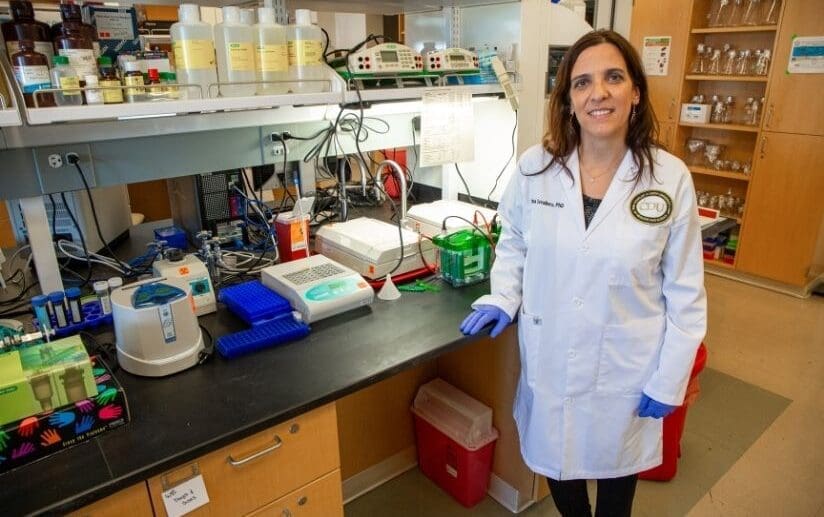
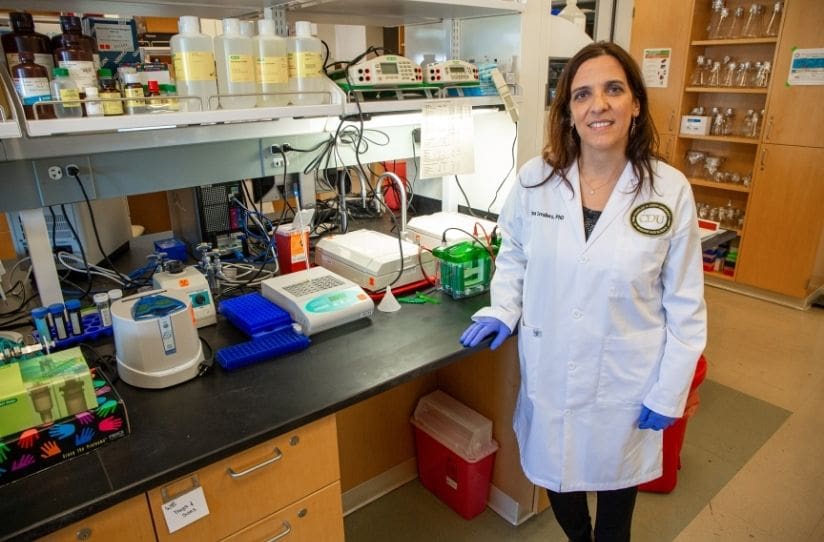
Dr. Susana Cavallero, an assistant professor in the Department of Health and Life Sciences at Charles R. Drew University of Medicine and Science (CDU) has been awarded the “Novel mechanisms and vascular interactions mediating the cardiometabolic benefits of exercise” grant from the National Institutes of Health’s National Institute of General Medical Sciences (NIH/NIGMS) under the Support for Research Excellence (SuRE) Program (R16) mechanism.
Cavallero, who joined CDU in 2024 as an Assistant Professor in the College of Science and Health, is deeply passionate about cardiovascular research. The R16 grant will support her lab in conducting basic and translational research on vascular metabolism during exercise using molecular and cell biology, imaging and metabolomic analyses in tissue culture and animal models over a four-year period.
“This support from the NIH represents an important step forward for the work we’re doing,” said Cavallero. “It allows us to strengthen research capacity at CDU while advancing scientific discovery and creating meaningful hands-on training for students.”
Cardiometabolic disease continues to have a disproportionate impact on vulnerable populations, and individuals who are unable to exercise face an increased risk of developing cardiovascular disease.
The long-term goal of the project is to identify pathways to therapeutic interventions that produce the same vascular protective effects as exercise for individuals who are unable to engage in physical activity.
Cavallero’s lab plays a key role in advancing CDU’s research mission by providing training and mentorship opportunities for graduate and undergraduate students pursuing careers in biomedical science. Her current team at CDU is composed of four graduate and two undergraduate students.
“Research is expensive, and student training requires significant resources,” Cavallero explained. “This grant allows us greater flexibility to plan experiments and access necessary materials such as reagents, cell lines and growth media, animal models and equipment. It ultimately gives students a more meaningful and enriching research experience where they can acquire laboratory skills to be better prepared for the professional world.”