Biomedical Science and Urban Health Students at CDU Design Endometriosis Detection Device
Four students at Charles R. Drew University of Medicine and Science (CDU) have designed an innovative prototype that will improve the early detection of endometriosis, a chronic and underdiagnosed disease affecting approximately 190 million women and girls worldwide.
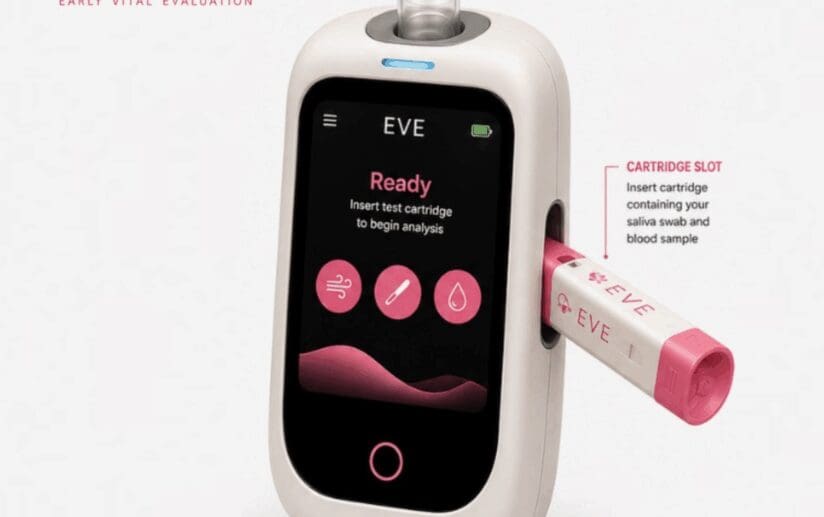
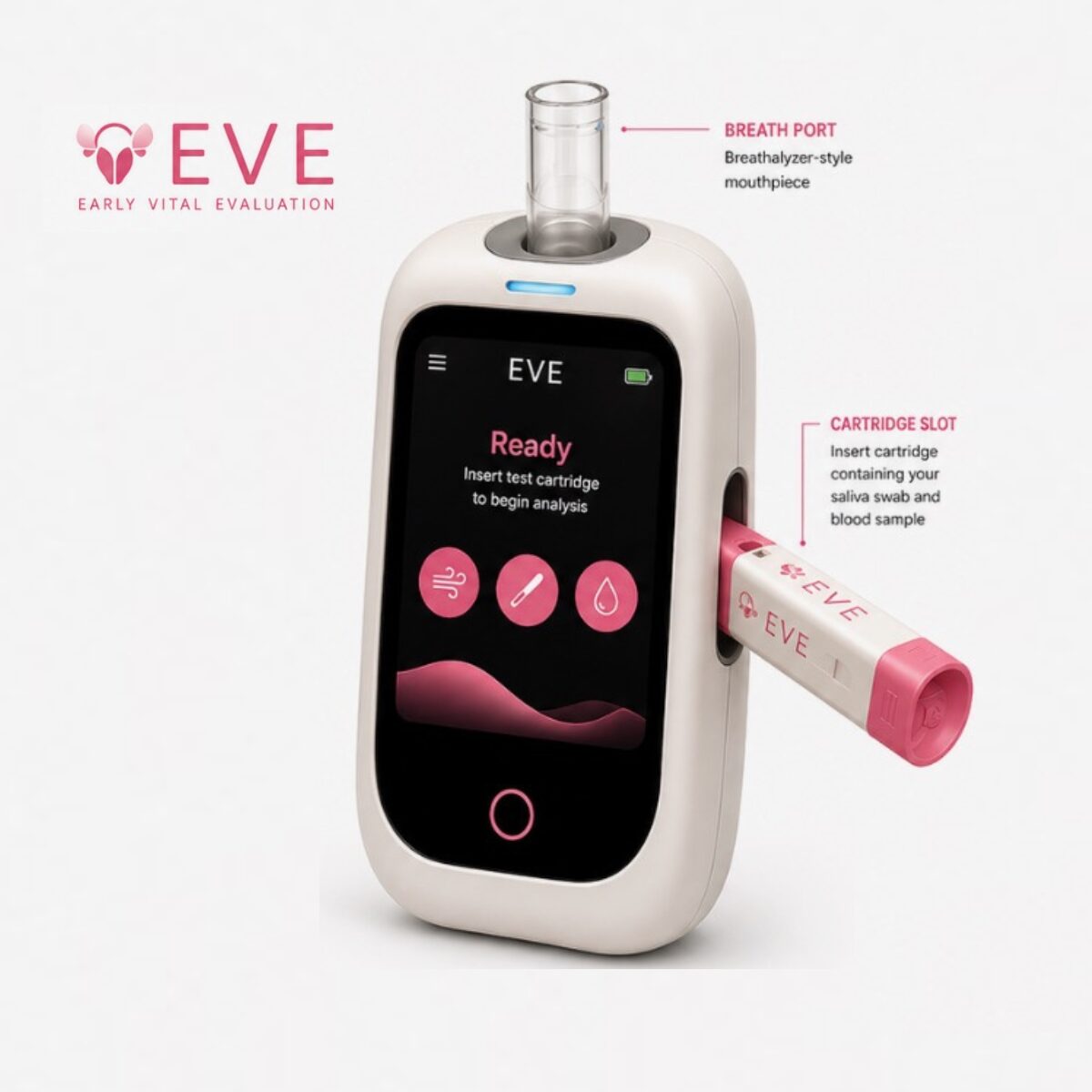
Developed by Haley Huntington, Danielle Clayborn, Ariana Zuniga, and Cheyenne Boone, “EVE” is a portable testing device that will analyze breath, saliva, and blood to detect early signs of the disease before symptoms escalate. The prototype was developed as part of an annual competition among Biomedical Sciences students at CDU.
Inspired by NASA’s patented technology, The NASA Analyzer (TOP2-246), which was originally developed to perform portable biological and metabolic analysis outside of a traditional laboratory environment, EVE adapts that concept into a women’s health-focused platform designed for earlier biomarker monitoring and longitudinal health tracking.
“As an all-female group, we wanted to address an issue that matters to us ,” said Huntington. “We hope EVE helps bridge the diagnostic gap and gives women more confidence in early detection and proactive care.”
According to the World Health Organization, access to early diagnosis and effective treatment of endometriosis is limited in many settings, including underresourced communities. Diagnosis can take between four and 12 years, leaving patients to endure chronic pelvic pain, heavy menstrual bleeding, infertility, nausea, and other debilitating symptoms without answers or treatment.
“Through disposable cartridges, EVE analyzes inflammatory markers such as IL-6 and CRP, metabolic compounds detected through breath, and hormonal and immune signals from saliva and blood samples,” said Clayborn. “Rather than relying on a single test result, EVE looks at multiple biological systems together to create a broader early-warning profile that can support earlier monitoring and clinical intervention.”
The results would be displayed in a simple, user-friendly format and could be securely shared with healthcare providers, telehealth systems, or clinics to support ongoing monitoring and earlier intervention.
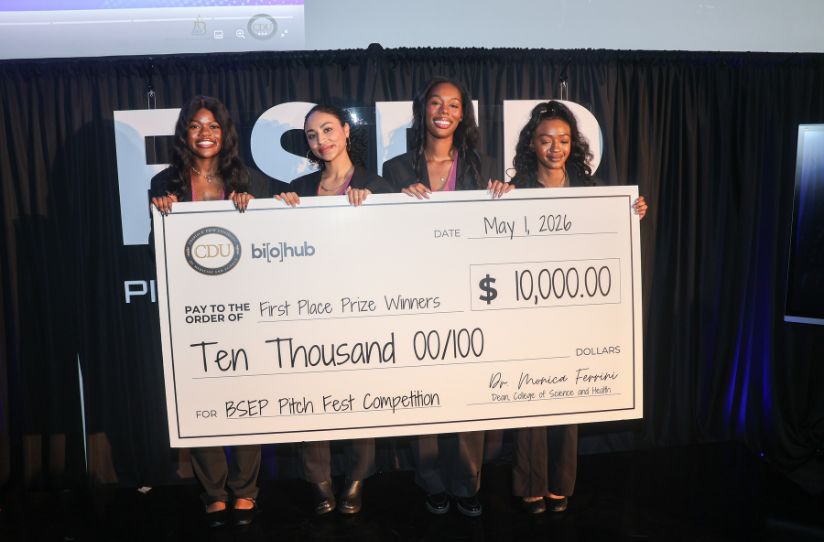
EVE earned the tip prize, and a $10,000 grant, at CDU’s Pitch Fest competition in April. With initial funding to continue development, the students plan to refine the prototype through device calibration, biomarker validation, and usability testing while exploring partnerships with healthcare professionals and community clinics to better understand how EVE could be implemented in real-world care settings.