Quicklinks
Morning Report and Morbidity & Mortality Conferences That Strengthen Clinical Reasoning
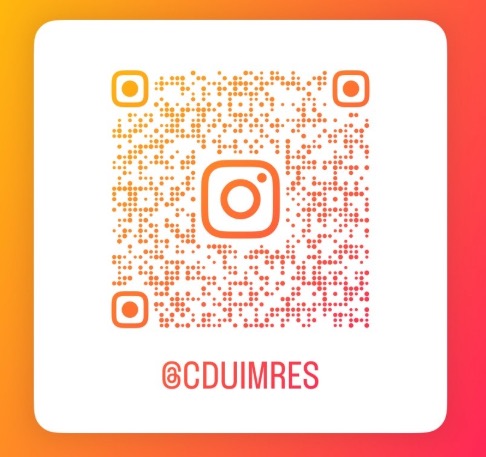
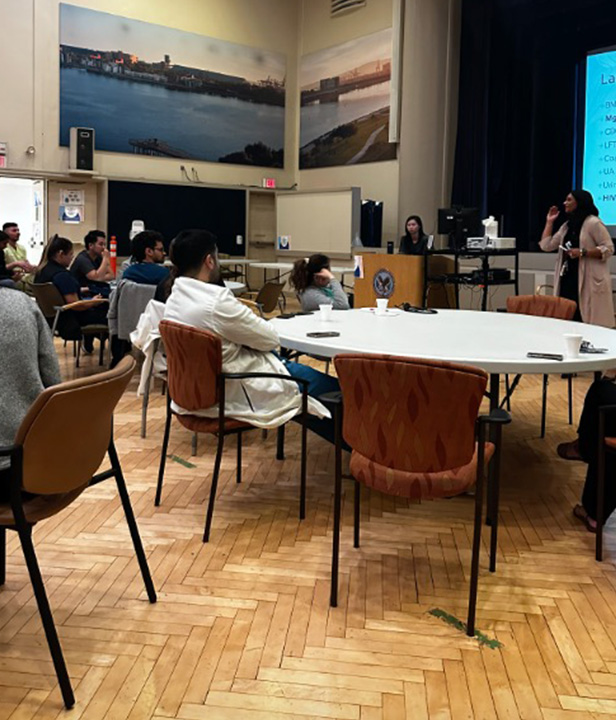
Morning Reports and M&M Conferences are held weekly on Tuesday, Wednesday, and Friday. Junior and senior residents present clinical cases in collaboration, guided by attending physicians who emphasize diagnostic reasoning, systems thinking, and reflective practice.
Each PGY-2 resident is required to lead a Morbidity and Mortality Conference, a cornerstone of CDU’s quality-improvement culture. These sessions focus on real cases to identify opportunities for improvement in patient safety and care delivery.
Purpose of M&M Conferences
- Promote Quality Improvement (QI) and Patient Safety.
- Encourage open, non-punitive discussion of medical errors.
- Reinforce professionalism, ethical integrity, and transparency.
- Teach ACGME Core Competencies, including systems-based and practice-based learning.
Through these discussions, residents cultivate accountability and a deeper understanding of how system-level improvements can enhance outcomes for underserved populations.
Journal Club: Building Critical Appraisal and Evidence-Based Practice
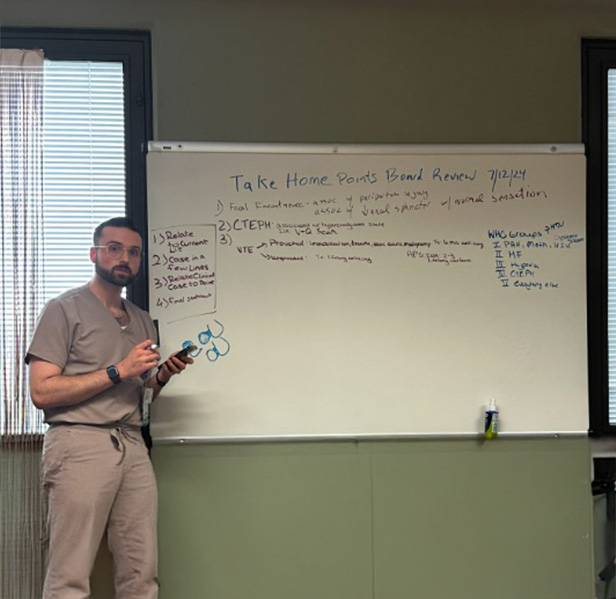
The Journal Club is a core component of our academic curriculum. During designated academic days, residents lead discussions on landmark and contemporary studies that shape Internal Medicine practice. These sessions strengthen critical thinking, statistical literacy, and familiarity with medical literature.
Focus Areas
- Evaluating study design and methodology.
- Interpreting clinical outcomes and statistical significance.
- Applying evidence-based findings to real-world patient care.
- Encouraging open dialogue and peer-to-peer learning.
By participating in Journal Club, residents refine their analytical mindset and build confidence in making evidence-driven clinical decisions.
Johns Hopkins PEAC Modules: Enhancing Outpatient Education
We are proud to integrate the Johns Hopkins Physician Education and Assessment Center (PEAC) modules into our outpatient curriculum. These modules strengthen resident learning through interactive, case-based education that simulates real-world decision-making.
Curriculum Highlights
- Covers cardiology, endocrinology, infectious disease, nephrology, and more.
- Case scenarios are designed around realistic patient encounters.
- Evidence-based, peer-reviewed content authored by Johns Hopkins faculty.
- Built-in quizzes, self-assessments, and interactive case reviews.
This blended learning model reinforces knowledge retention and improves confidence in outpatient management.