CDU Simulation Prepares Future Healthcare Leaders
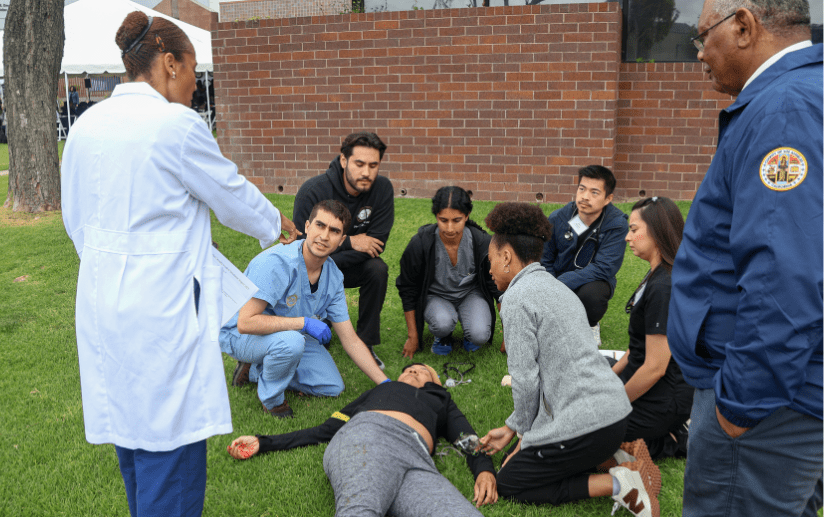
CDU hosted a large-scale Interprofessional Education (IPE) simulation event on campus bringing together CDU Medical Degree students and Physician Assistant students to foster effective collaboration and improve health outcomes.
The event is part of CDU’s ongoing commitment to interprofessional learning, which is crucial in today’s healthcare environment. The day kicked off with procedural skills simulation stations, where students practiced essential medical techniques.
This was followed by an intensive IPE mass casualty incident drill and several IPE simulated hospital scenarios, designed to mimic real-life medical emergencies and inpatient care settings.
“They did a fantastic job considering they’re only first year medical students and some of them are first year PA students,” said Dr. Nehzat Nikakhtar, Clinical Assistant Professor in the College of Medicine. “This is the first time I’ve gone to all of the stations, and they all did the right thing… all of the supplies were used properly, they were doing the right thing, and they graded the level of injury correctly.”
IPE Simulation Training at CDU leverages a comprehensive IPE Simulation Curriculum.
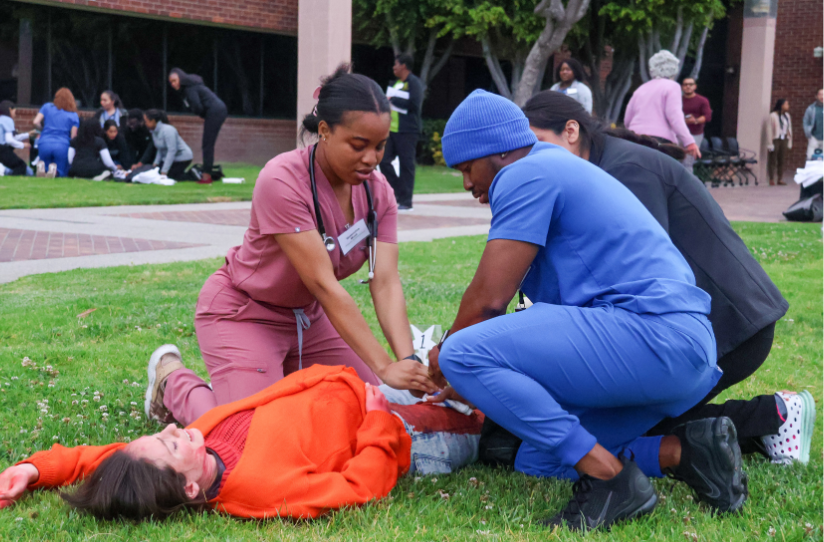
This curriculum aims to strengthen team communication and collaboration through gaining a deeper understanding of each other’s roles and responsibilities, recognizing shared values and ethics, and improving patient outcomes by cultivating a culture of teamwork and collaboration.
Held each semester, these events have consistently proven beneficial to students, helping them develop confidence and practice in making potentially life-saving decisions in a controlled, safe learning environment.
This preparation is crucial for their future roles as healthcare professionals.
The success of this semester’s event, with its hands-on approach and realistic scenarios, underscores the critical role of interprofessional education in preparing students for the complexities of modern healthcare.
As these students progress in their education, the skills and teamwork fostered in these simulations will be invaluable in their clinical practice, ultimately leading to better patient care and outcomes.